 Speaking the truth... | Town Crier News Nigeria | Whatsapp No: 08027723347, 08072777599,08122784467,09063474539

THE HIDDEN COST OF HUNGER: HOW FOOD INFLATION IS RESHAPING THE ECONOMY
Written By Dedeigbo Samson Ayodeji
Posted By Town Crier News Nigeria
Published By Fitness Network Communications
As staple prices double, Nigerian households cut spending, while small vendors, agri-tech firms and FMCGs find new ways to stay afloat and feed the nation.
Nigeria’s food inflation is increasingly affecting more than what families put on their plates, as rising prices reshape household spending, squeeze businesses and put pressure on the country’s wider economy.
The National Bureau of Statistics (NBS) reported food inflation at 40.01 per cent as of August 2025, the highest in nearly three decades.
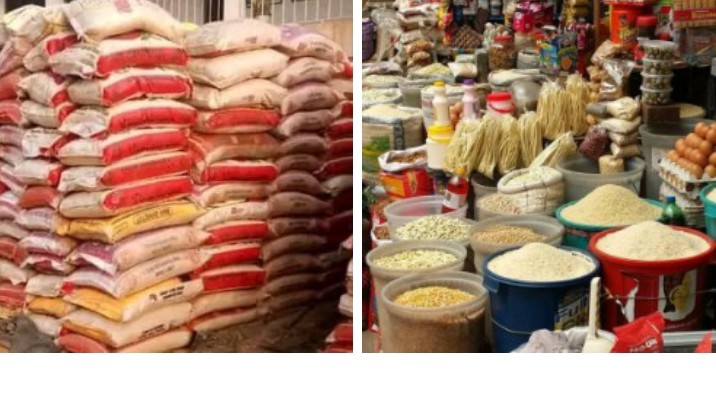
The rise has come as the cost of staples continues to climb, with a 50kg bag of rice that sold for ₦45,000 in 2023 now costing more than ₦90,000, while a crate of eggs has crossed ₦6,500.
For households already dealing with limited incomes, the increase means making difficult choices about what to buy and what to leave out.
Food now takes up about 60 to 65 per cent of average household income, according to the NBS Household Survey 2024, compared with 50 per cent in 2022.
The result is less money available for education, healthcare, rent and other essential needs.
The pressure is not stopping at the household level.
When families spend more on food, they have less to spend elsewhere, while businesses are forced to deal with higher production, transportation and operating costs.
This creates a chain reaction that reaches farmers, traders, food vendors and manufacturers.
For many families, adjusting to the new reality has meant reducing the quantity of food they buy, switching to cheaper alternatives or postponing other expenses.
For businesses, survival increasingly depends on finding ways to keep food affordable without completely losing their already narrow profit margins.
The agricultural sector is also feeling the pressure.
Agriculture contributed 23.5 per cent to Nigeria’s GDP in the second quarter of 2025, but insecurity, high input costs and poor logistics continue to affect production.
The World Bank estimates that food inflation reduced Nigeria’s GDP growth by 1.2 per cent in 2024.
There is also a cost to the productivity of the workforce.
The International Labour Organisation has warned that malnutrition-related absenteeism and poor cognitive development could cost Nigeria $2.5 billion annually in lost productivity.
As the pressure spreads through the food chain, small vendors and caterers are changing the way they operate.
Many now use WhatsApp, Instagram and TikTok to take pre-orders, helping them reduce waste and prepare according to actual demand.
Some have also begun breaking meals into smaller portions.
A customer may buy ₦800 worth of rice, ₦200 worth of stew and ₦300 worth of protein separately instead of paying for a full meal. Others are changing recipes and using alternatives such as beans for protein instead of meat.
These changes have helped businesses remain accessible to customers, but they have also come at a cost.
Profit margins for many small vendors have fallen to below 10 per cent, leaving little room to absorb further increases.
The response is also taking place among larger food companies. FMCGs and agri-businesses are increasingly looking towards local alternatives, with companies such as Nestlé Nigeria, Dangote Foods and Flour Mills reformulating products to make greater use of cassava, sorghum and maize.
Nestlé’s Affordable Nutrition range, for instance, targets low-income consumers.
Agri-tech companies are also attempting to reduce some of the costs along the food supply chain. ThriveAgric, Releaf and Farmcrowdy connect farmers more directly with markets, reducing the role of middlemen and some logistics costs by between 20 and 30 per cent.
At the same time, Nigerians are turning more towards local staples.
Garri, yam flour, sweet potato and indigenous vegetables have recorded a 35 per cent increase in demand since 2023, according to the AFEX Commodities Index.
The growing demand is creating opportunities for rural farmers, but it is also exposing weaknesses in the country’s food supply system.
More than 80 per cent of Nigeria’s food trade takes place in the informal sector, where many traders have limited access to loans that could help them absorb sudden increases in costs.
The Central Bank of Nigeria and the Bank of Industry have introduced intervention funds, but slow disbursement remains a challenge for businesses that need immediate support.
Food waste adds another layer to the problem.
Nigeria loses about ₦3.5 trillion worth of food every year, according to the UN Food and Agriculture Organisation, with poor storage and limited cold-chain facilities contributing to the losses.
The situation creates a difficult cycle in which food becomes more expensive to produce and move, while consumers have less purchasing power to buy it.
Without improvements across the supply chain, both sides continue to feel the pressure.
Addressing the problem will therefore require more than subsidies. Better roads, rail and storage facilities could reduce the cost of moving food and limit post-harvest losses, while low-interest loans could help farmers and small businesses manage rising costs.
Consistent trade and foreign exchange policies would also give businesses greater stability and make it easier to plan.
Nigeria’s nutrition crisis is therefore also an economic crisis.
Every increase in the price of food puts more pressure on household budgets and leaves less money for schools, clinics and small businesses.
Yet, across markets in Kano, Lagos and Enugu, people are already adapting. From WhatsApp menus to cassava bread, Nigerian entrepreneurs are finding ways to respond to an economy that is forcing both consumers and businesses to rethink how they buy, sell and survive.
The challenge now is whether these adaptations will receive the support needed to grow, or whether continued pressure will push an already strained food economy even further.