 Speaking the truth... | Town Crier News Nigeria | Whatsapp No: 08027723347, 08072777599,08122784467,09063474539

NWLR at 40: Fashola, CJN, Others Celebrate Four Decades of Legal Legacy and Integrity
Written By Dedeigbo Samson Ayodeji
Posted By Town Crier News Nigeria
Published By Fitness Network Communications
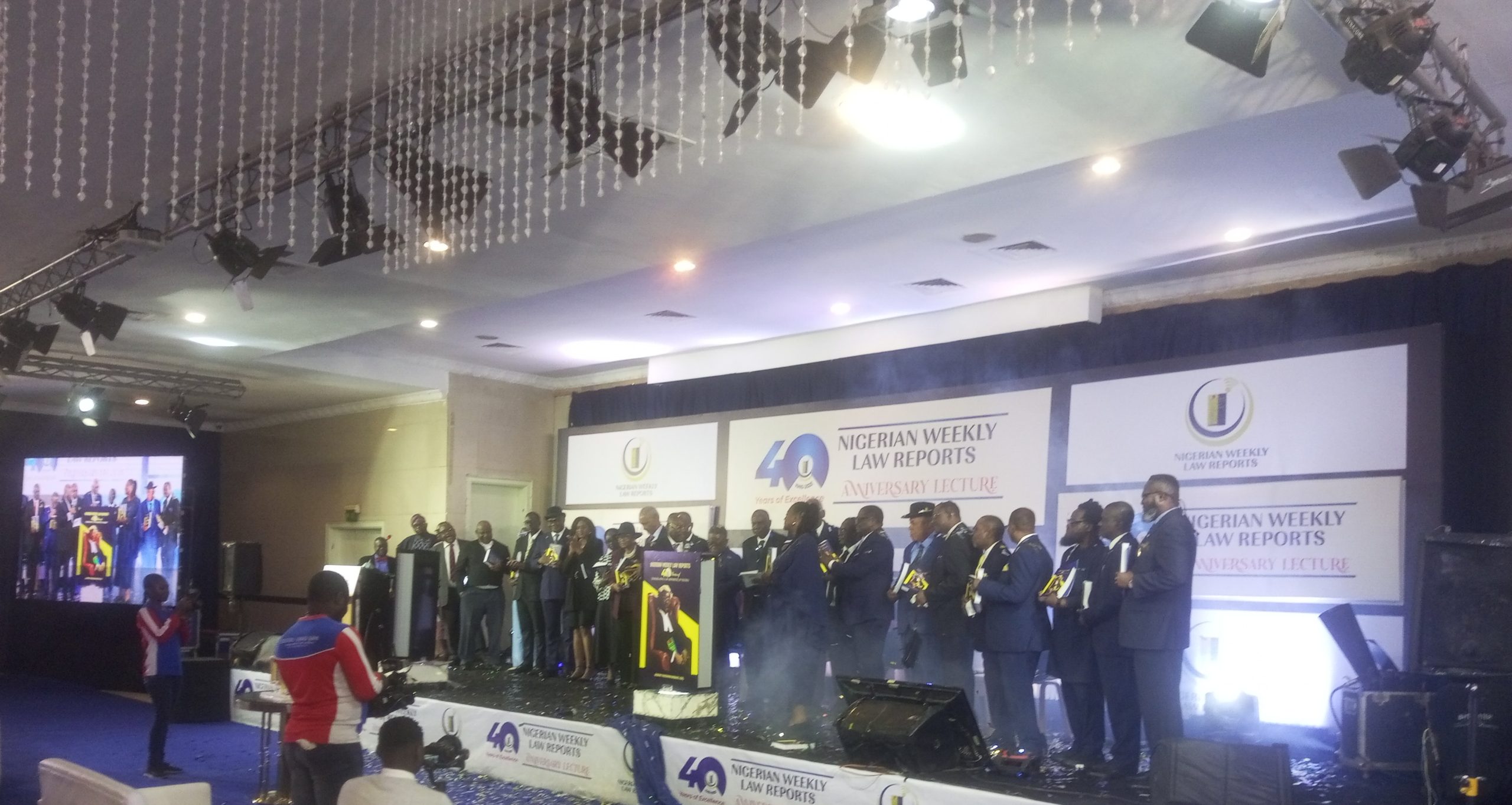
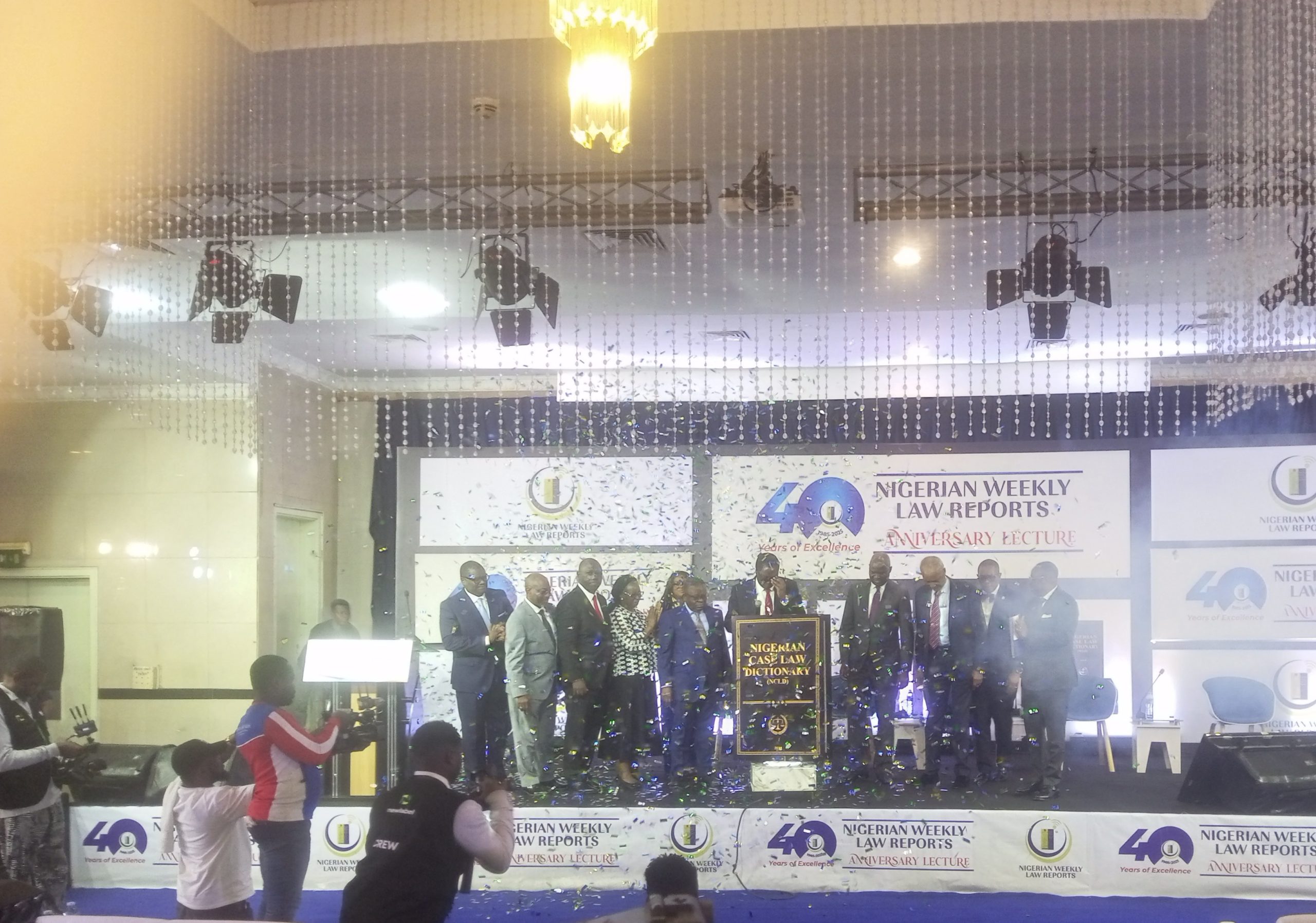
It was a historic gathering of the nation’s finest legal minds, jurists, and dignitaries as the Nigerian Weekly Law Reports (NWLR) marked its 40th anniversary in Lagos, celebrating four decades of consistent excellence, intellectual rigour, and enduring contribution to Nigerian jurisprudence.
The event, graced by eminent dignitaries including justices of the Supreme Court, the Court of Appeal, the Chief Judges of Federal and State High Courts, senior advocates of Nigeria, members of the Nigerian Bar Association, and other distinguished guests, highlighted the remarkable evolution of law reporting in Nigeria and the continuing relevance of the NWLR in the technological age.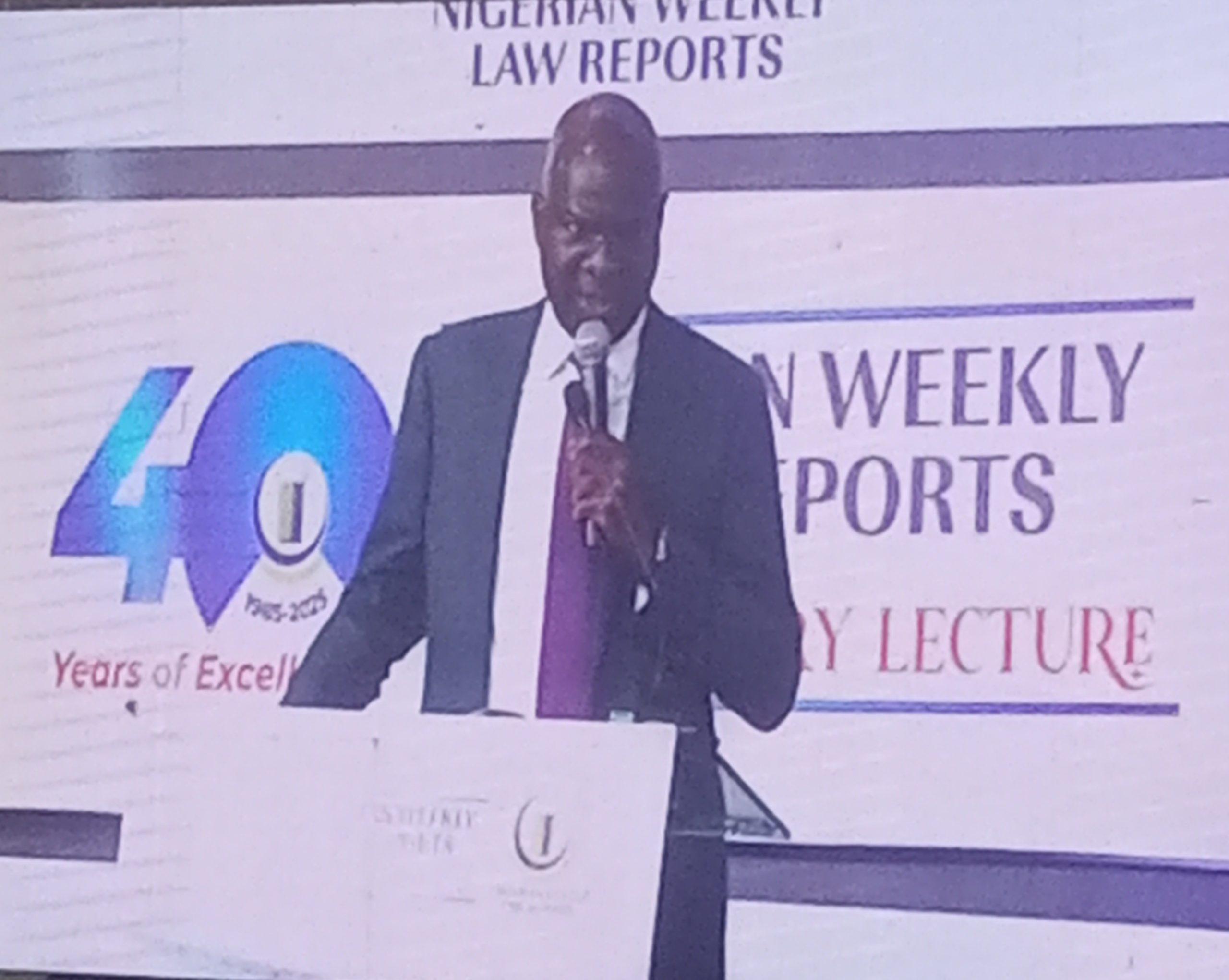
In his keynote address, former Lagos State Governor and Senior Advocate of Nigeria, Babatunde Raji Fashola, SAN, CON, lauded the NWLR for surpassing its founding objectives of providing access to judgments, supporting the administration of justice, and promoting integrity in Nigerian law and jurisprudence. He described the establishment of the NWLR Online in 2019 as a milestone that affirmed the publication’s commitment to digital evolution and international reach.
Fashola noted that the NWLR, in both hard and electronic formats, has become indispensable to arbitration and international trials involving Nigerian law, serving as a point of recourse for courts abroad. He praised the event’s theme, “Safeguarding the Legacy of Law Reporting and Embracing the Future in the Technological Era,” as both timely and relevant.
Tracing the history of technological impact on legal practice, Fashola observed that the legal profession had evolved from the days of cyclostyling and photocopying to the present age of Artificial Intelligence (AI). He, however, expressed concern about the rising trend of AI-generated fictitious judgments being cited in courts. “Lawyers are embracing Artificial Intelligence in presenting their cases, and judges are now facing references to ‘decided’ cases that never occurred,” he cautioned, describing the trend as “dangerous in a system rooted in precedents.”
He underscored the need to maintain authoritative law reporting, stressing that wrongly generated or misleading reports could imperil public policy and justice. Fashola called for vigilance among editors to ensure that their notes do not misrepresent court decisions.
Calling for decisive institutional action, Fashola urged the Chief Justice of Nigeria (CJN), Hon. Justice Kudirat Motonmori Olatokunbo Kekere-Ekun, GCON, to lead the effort to safeguard the integrity of law reporting. He referenced Section 236 of the 1999 Constitution (as amended), which empowers the CJN to make rules for the Supreme Court, while also tasking the National Judicial Council, the Ministries of Justice and Communication, the Law Reform Commission, and the Nigerian Bar Association to play active roles in the process.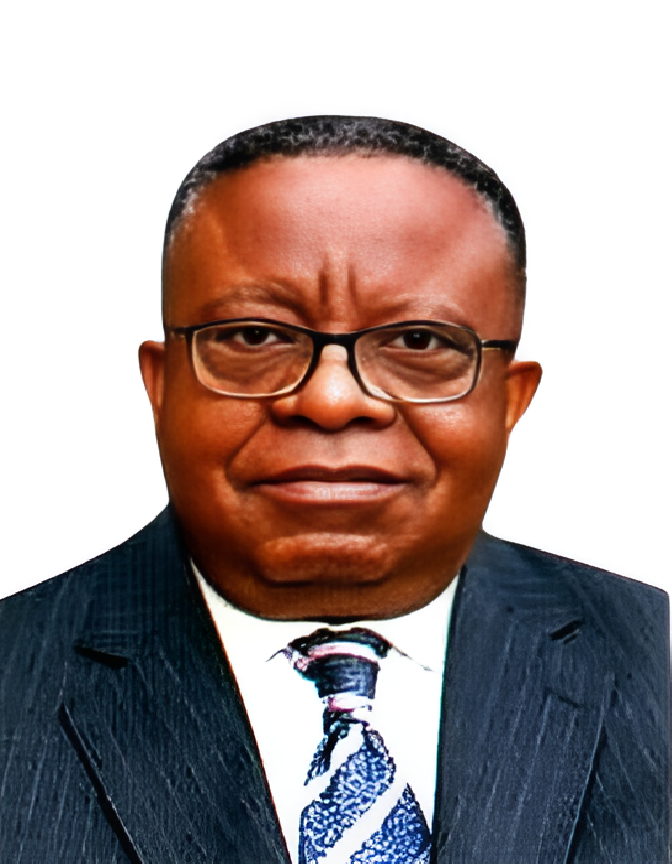
Representing the CJN, Hon. Justice John Inyang Okoro, JSC, delivered the chief justice’s message, expressing deep appreciation to the Nigerian Law Publications Ltd for sustaining the legacy of accuracy, editorial discipline, and professional integrity that have defined the NWLR since its establishment in 1985 by the late Chief Gani Fawehinmi, SAN, GCON. The CJN described the publication as “one of the most trusted, respected, and authoritative repositories of judicial decisions in Nigeria.”
She praised the management and editorial team of the NWLR for upholding excellence over four decades, stating that the transition from print to digital formats must continue to embody the same precision and authenticity that have made the NWLR a gold standard in law reporting. “The preservation of our legal heritage in a rapidly changing world is a collective responsibility,” she said.
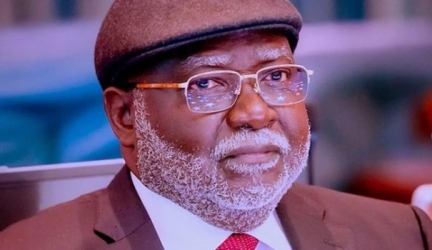 Chairman of the Editorial Board, Ayo Olanrewaju, traced the NWLR’s origin to Chief Gani Fawehinmi’s protest against the monopolisation of court judgments by a privileged few. According to him, before the establishment of the NWLR, judgments of the Supreme Court were delayed and accessible only to a handful of influential lawyers, giving them undue advantage in litigation. Fawehinmi, he recalled, fought persistently until court judgments were democratized and made readily available to all practitioners.
Olanrewaju described the NWLR as “a protest that became a legacy,” affirming that no other law report in Nigeria has been published consistently for forty years. He credited the feat to collective hard work and loyalty from the editorial board, production team, marketers, and management, while appreciating the judiciary for providing the judgments that form the foundation of the reports. He disclosed that since inception, the NWLR has reported over 14,000 judgments from the Supreme Court and Court of Appeal, with more than 210 lawyers serving on its editorial board.
He reiterated the need to regulate law reporting in Nigeria, noting that while the NWLR obtained formal approval from the Chief Justice of Nigeria in its early years, there is still a need for statutory regulation to ensure integrity and professionalism in law reporting. “In advanced democracies like the United States, the United Kingdom, and even in South Africa, law reporting is not open to just anyone,” he noted, urging reforms to safeguard the practice.
Olanrewaju reaffirmed the commitment of the Nigerian Law Publications Ltd to innovation, transparency, and easy access to judicial information. He emphasized that the NWLR’s success represents not just a publishing triumph but the pride of the Nigerian judiciary and the legal profession at large.
 During the panel session, Justice Joseph Olubunmi Oyewole, JCA, commended Fashola’s lecture, noting that the limitations of artificial intelligence reaffirm the irreplaceable human element in legal interpretation and editorial judgment. He warned that unregulated online law reports could mislead practitioners and reiterated the need for stronger editorial standards.
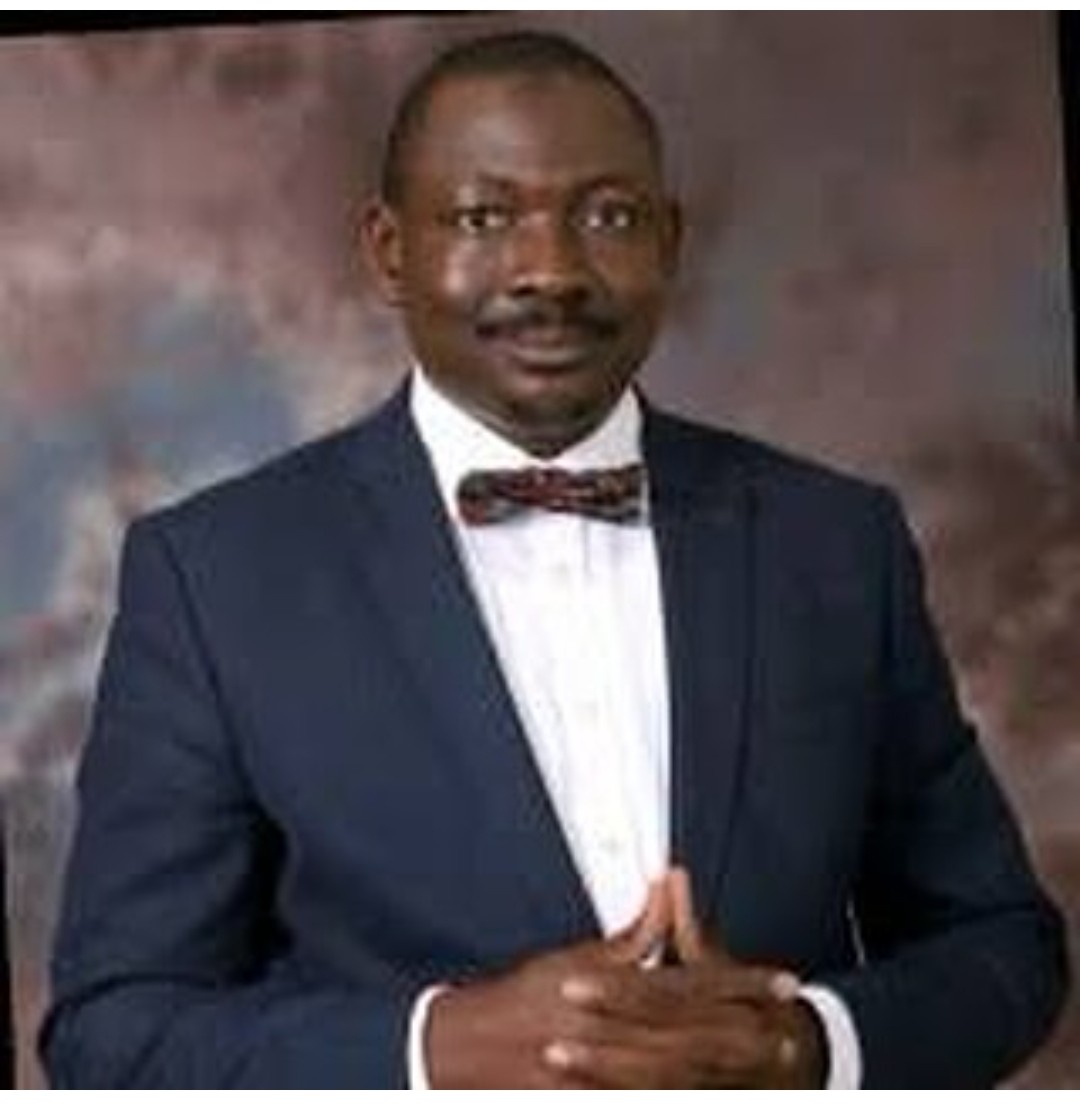 Another discussant, Mr. Abdul Mohammed, SAN, echoed similar sentiments, stressing that the founder, Chief Gani Fawehinmi, was a man of ethics who valued accuracy and diligence. He cautioned that overreliance on AI could erode analytical capacity in legal practice, remarking that “law is an art that must be crafted in a way AI cannot replicate.”

 Senior Assistant Editor, Mrs. Rabiat Fawehinmi-Morakinyo, also reflected on the enduring vision of the founder, noting that since its establishment on October 1, 1985, the NWLR has remained the cornerstone of law and justice in Nigeria.
The event concluded with resounding applause for the NWLR’s resilience and legacy. Dignitaries present commended the publication for its unbroken record of excellence, affirming that the success of the Nigerian Weekly Law Reports is not only the triumph of the judiciary but also a testament to the indomitable Nigerian spirit and the enduring vision of its founder, Chief Gani Fawehinmi, SAN, GCON.