 Speaking the truth... | Town Crier News Nigeria | Whatsapp No: 08027723347, 08072777599,08122784467,09063474539

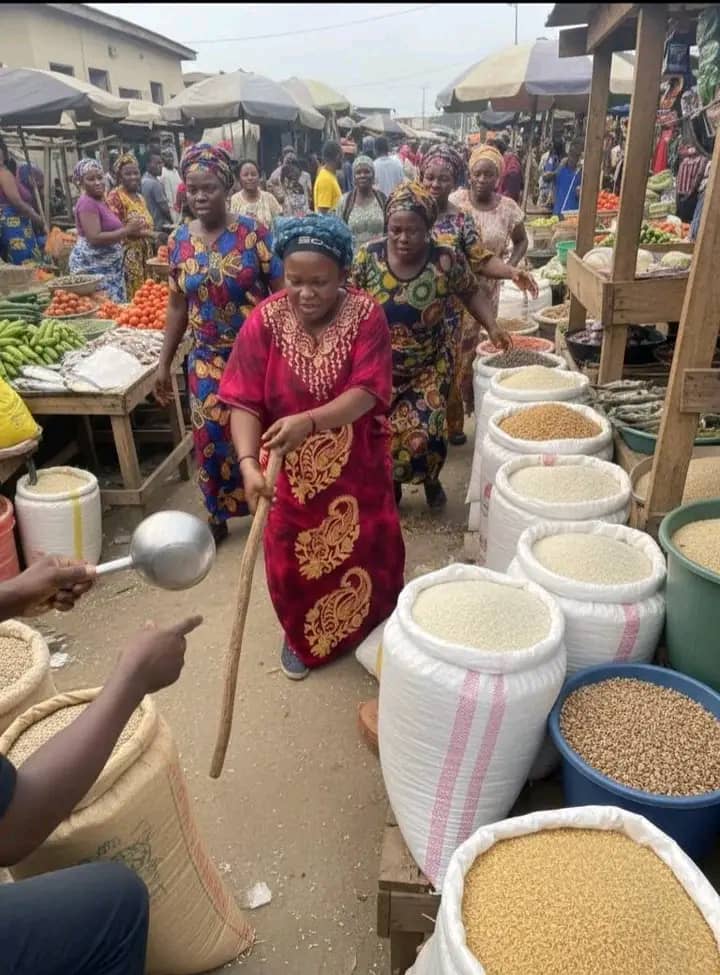
WOMEN WHO BUILD DESPITE THE ODDS: HOW NIGERIAN WOMEN ARE HOLDING THE ECONOMY TOGETHER
Written By Dedeigbo Samson Ayodeji
Posted Town Crier News Nigeria
Published By Fitness Network Communications
From roadside stalls in Lagos to WhatsApp kitchens in Enugu, Nigerian women are turning survival into businesses and businesses into community growth.
Nigerian women are increasingly turning small businesses, informal trade and digital platforms into sources of income as limited formal employment and rising living costs continue to put pressure on households.
Women account for 41 per cent of Nigeria’s micro, small and medium enterprises and employ more than 23 million people, according to SMEDAN’s 2024 figures.
The informal sector, where many of these businesses operate, contributes 58 per cent to the country’s GDP.
The economic potential is significant.
A McKinsey 2025 report estimates that closing the gender gap in Nigeria could add $229 billion to GDP by 2030, while UN Women data shows that women reinvest about 90 per cent of their income in areas such as food, health and education.
For many women, however, entrepreneurship is less about economic opportunity than about making a living when other options are limited.
At 5:30 every morning, Kemi, 38, arranges tomatoes and pepper by torchlight before her children wake up and the traffic begins.
Her business helps her pay school fees, buy drugs and support her family of five.
Kemi has also had to change how she does business as food prices rise.
In addition to selling in bulk, she now offers a “run-and-deliver” service to neighbours through WhatsApp.
Her experience is shared by many women who are adapting their businesses to changing economic conditions.
They are adjusting what they sell, how they reach customers and how they manage limited capital in order to keep their businesses running.
For Amaka, 26, the journey began after 11 months of unsuccessful job applications.
The graduate turned to catering, starting from her kitchen.
She now takes orders through Instagram and WhatsApp, supplies eight offices in her area and employs two other women.
Stories like these are becoming increasingly common as women create businesses in spaces where formal opportunities remain limited.
The growth of what has become known as the “WhatsApp Economy” has made this easier for some entrepreneurs.
With relatively low startup costs, women can reach customers directly without paying for a physical shop or dealing with rent.
A phone can become a storefront, while social media can serve as a marketplace. For women operating with limited resources, that difference can determine whether a small business survives or closes.
But the ability to adapt does not remove the barriers facing women entrepreneurs.
Only seven per cent of women-owned businesses have access to formal bank loans, according to 2024 CBN figures.
Many therefore depend on ajo and esusu savings groups to raise the money needed to start or expand their businesses.
Time is another challenge. Women spend three times as many hours on unpaid care work as men, according to the NBS Time Use Survey 2023.
Running a business while managing a home and caring for children creates a double shift that leaves many women with little time to grow their businesses.
Poor electricity, bad roads and market levies further reduce already thin profit margins, which can fall between five and 10 per cent.
Despite these pressures, women continue to build support systems around themselves.
They form groups, share ideas, mentor one another and pool resources to reduce the cost and risk of running a business alone.
There are also efforts from the private sector.
Nestlé Nigeria’s Empowering Rural Women programme trains more than 300 women annually in areas such as nutrition and bookkeeping while providing startup kits.
Access Bank’s W Initiative and FirstBank Women also offer low-interest loans.
At the community level, ajo groups, cooperatives and women’s associations provide credit, childcare rotation and opportunities for bulk buying.
In Kano, 50 women pool ₦10,000 every month to fund two members.
Digital training programmes are also opening new opportunities.
Google Hustle Academy and SheLeadsAfrica provide training to help women improve pricing, branding and online sales.
The effect of supporting women extends beyond individual businesses.
When a woman earns, her income often returns to the household through food, education, healthcare and other basic needs.
For Kemi, a ₦15,000 profit can mean keeping her daughter in school.
For Amaka, employing two women means income for two additional households.
Multiplied across millions of women-led businesses, these individual gains become part of a much larger economic contribution.
The World Bank says that if Nigerian women had equal access to land, finance and markets, agricultural output alone could increase by 20 per cent.
For women like Kemi and Amaka, empowerment is therefore not simply about recognition.
It is about having the capital to expand, the markets to sell in, and the time and infrastructure needed to keep going.
International Women’s Day may come once a year, but the work continues every day in markets, kitchens and on phone screens across Nigeria.
These women are not simply surviving difficult economic conditions.
They are creating income, employing others and keeping households moving.
Nigeria’s future will not be built in boardrooms alone.
It will also be built by the women who continue to build businesses despite the odds.