 Speaking the truth... | Town Crier News Nigeria | Whatsapp No: 08027723347, 08072777599,08122784467,09063474539

NCC Urges Telcos to Partner with Academia, Adopt Flexible Work Policies to Curb Brain Drain
Written By Dedeigbo Samson Ayodeji
Posted By Town Crier News Nigeria
Published By Fitness Network Communications
The Nigerian Communications Commission (NCC) has sounded a warning bell on the devastating impact of brain drain in the telecommunications sector, urging industry stakeholders to collaborate with academia and adopt flexible work policies to stem the tide.
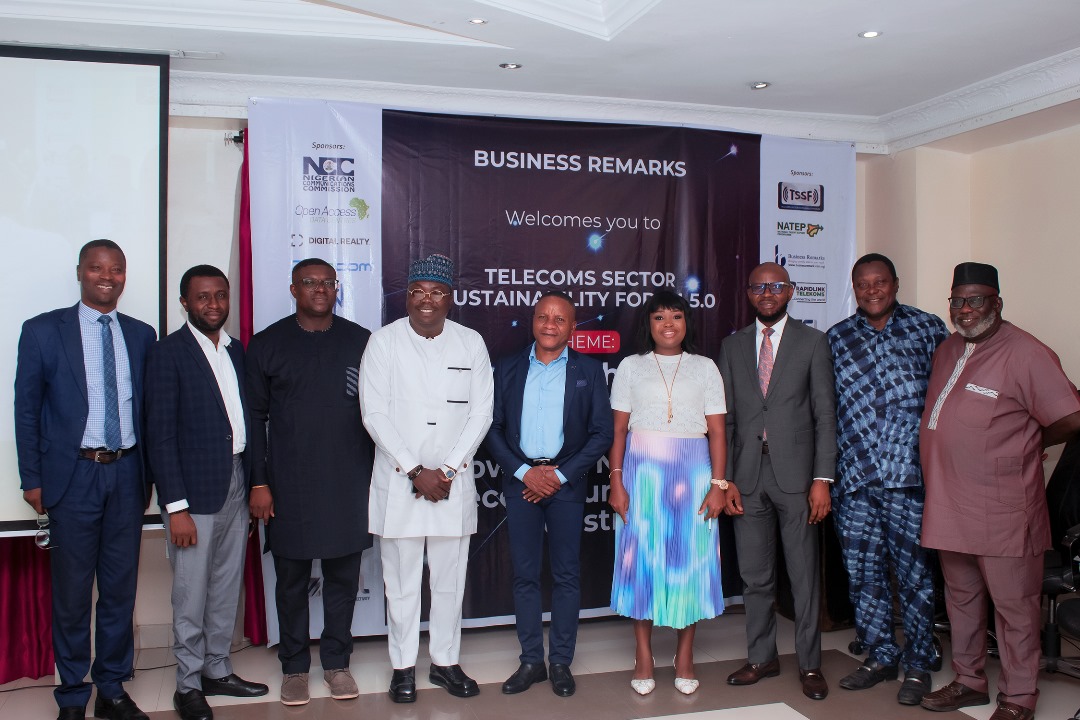
Speaking at the Fifth Edition of the Telecom Sector Sustainability Forum (TSSF 5.0) organized by Business Remarks in Lagos, Dr. Aminu Maida, Executive Vice Chairman of the NCC, emphasized the importance of talent development and retention in the telecom sector.
Maida, who was represented by the NCC Lagos Zonal Controller, Mr. Tunji Jimoh, noted that talent is the lifeblood of innovation and development, and the loss of skilled professionals is a major setback for the industry.
According to him, the global demand for tech talent has driven a good number of Nigeria’s brightest minds to pursue lucrative opportunities abroad, leaving vacuums in the industry skills gap that potentially can threaten the sustainability of the telecoms sector.
Quoting a report from the Association of Telecoms Companies of Nigeria (ATCON), Maida revealed that over 500 software engineers and more than 2,000 trained telecom professionals left the country in 2022 alone.
“This trend, if left unchecked, could jeopardize the growth and sustainability of the industry,” he warned.
To mitigate this brain drain, Maida tasked telecom companies to adopt flexible work policies, better remunerations, and foster a culture of innovation to create an environment that attracts and retains talents.
He emphasized that professionals, especially in the tech sector, seek environments where they feel valued, engaged, and given the freedom to explore new ideas.
Offering remote work options, continuous learning opportunities, and collaborative spaces where creativity is encouraged will make the local telecom sector more appealing to professionals who might otherwise seek opportunities abroad, he added.
Maida also stressed the need for telecom companies to continue investing in regular upskilling and reskilling initiatives for their existing workforce.
By offering employees opportunities for professional development, companies not only enhance their workforce’s competencies but also provide incentives for talent to stay, knowing they have a pathway to career advancement within their current organization.
Furthermore, Maida called for the need to ensure a steady flow of skilled professionals.
He tasked the telecom sector and companies to actively engage and partner with universities, technical schools, and training institutes to create tailored programs designed to equip graduates with industry-relevant skills.
This strategy, he noted, will not only help fill the talent gap but also foster a pipeline of young, ambitious professionals eager to build their careers within Nigeria.
Maida also recommended internships, apprenticeships, and industry-sponsored research projects as practical ways for telecom operators to integrate students and recent graduates into the workforce.
The NCC boss also emphasized the importance of industry-wide mentorship programs, where seasoned professionals can guide younger talent.
Adopting cutting-edge technologies like 5G, AI, and IoT will create an exciting and innovative environment for professionals, he added.
Investing in research and development and supporting entrepreneurship in the telecommunications space will also create an environment where Nigerian professionals can pioneer new technologies.
On the part of the commission, Maida said the NCC has been instrumental in mitigating talent migration through initiatives such as the 3 Million Technical Talent (3MTT) Program.
Launched by the Ministry of Communications, Innovation, and Digital Economy, the program aims to train 3 million Nigerians in digital and technical skills by 2027.
The NCC is also partnering with Nokia to provide a 4G/5G test lab to equip young Nigerians with the skills required for the industry.
Additionally, the NCC is committed to promoting the development and adoption of indigenous content through the Nigeria Office for Developing Indigenous Content for Telecoms Sector (NODITS).
In her welcome address, TSSF 5.0 Convener and Managing Editor of Business Remarks, Bukola Olanrewaju, noted that human capital flight has become a global phenomenon with far-reaching implications.
Quoting an analysis from PwC, Olanrewaju revealed that the talent exodus trend is projected to result in a potential loss of $4.7 billion in productivity and tax revenue for the Nigerian economy by 2027.
She emphasized that addressing the underlying factors driving the huge depletion in the talent workforce is crucial to creating a more sustainable, attractive, resilient, and prosperous industry.
By pooling resources, the telecom sector can create an ecosystem that nurtures talent at all stages, from entry-level to experienced professionals, and aligns with global standards, Maida concluded.